Federal judge issues second order blocking Trump mail-in voting directive
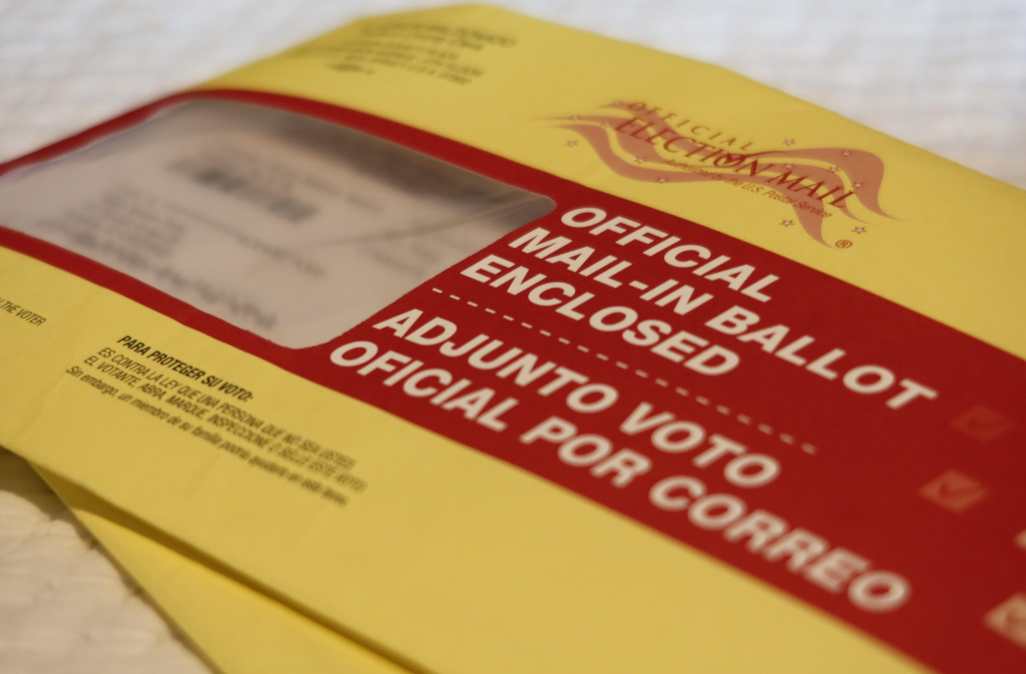
A federal judge has issued a second injunction preventing the United States Postal Service from carrying out President Donald Trump’s executive order focused on mail-in voting.
Judge Indira Talwani had previously ruled that the White House order, which would have essentially placed the federal government in charge of deciding which voters in each state would receive mail-in ballots, was unconstitutional.
The order was part of an ongoing lawsuit between the federal government and 23 states over the order’s legality. The Trump administration has formally petitioned the U.S. Supreme Court to review the case and reverse the decision.
In a new ruling issued Tuesday, Talwani’s said the court “finds it prudent to review the EO now, where less than 90 days pend before the midterms and the millions of citizens who rely on mail voting require clarity as to how or whether they will vote in November.”
“As to those elections occurring before or on November 3, 2026, the court preserves the current electoral status quo, grants the Plaintiffs’ Renewed Motion…enjoins the USPS’s implementation of Section 3 of the EO,” Talwani wrote.
The opinion concluded that the states “are likely to succeed on the merits” in claiming that Section 3 of the executive order violates constitutional separation of powers, and noted that the federal government’s “sole attempts to grapple with the actual merits of Plaintiff Organizations’ constitutional challenge are their briefly presented unitary executive arguments.”
But Talwani wrote that whether the president has ultimate authority over USPS actions is irrelevant if it results in a “facially unconstitutional” act.
“Instead, the court need only determine whether the EO is facially unconstitutional based on the substance of the text’s directives,” the opinion said. “The court has already answered and will again resolve the question clearly and affirmatively. The executive branch has no authority to regulate elections.”