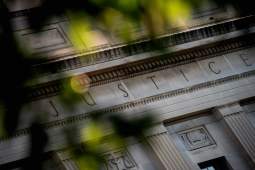
Traffic streaks past the Department of Justice (DOJ) headquarters building late in the evening on May 18, 2024 in Washington, DC. (Photo by J. David Ake/Getty Images)
From outsourced labor to tiered pricing models, an inside look at how today's top ransomware threats operate less like rogue hackers and more like Fortune 500 companies.
A general view of the DraftKings logo in the outfield during the Major League baseball game between the Philadelphia Phillies and the Washington Nationals on June 22, 2021 at Citizens Bank Park in Philadelphia, PA. (Photo by Rich Graessle/Icon Sportswire via Getty Images)
Microsoft, with law enforcement and industry partners, disrupted more than 200 command and control servers for Amadey and StealC, often used in conjunction.
The entrance to O’Smach on the Thailand Cambodia border on March 12, 2026 in Oddar Meanchey, Cambodia. The Thai government led a group of foreign press to the O’Smach casino compound near the Chong Chom O’Smach border crossing in Oddar Meanchey province, previously used for scam operations, after clashes between Thailand and Cambodia along the disputed border in December. The interiors show where scammers lived in dormitories and their workspace. (Photo by Getty Images/Getty Images)
Abdellah Belmili allegedly ran two black-market websites selling stolen financial credentials and custom-built phishing kits targeting major American banks, federal prosecutors say.
While preventing third parties from profiting off unauthorized deepfakes of artists and performers is a bipartisan concern, some business and digital rights groups are opposed.
The threat group’s remarkable success targeting open-source software was inevitable and fueled by the industry’s decision to prioritize code shipping over security.