US President Donald Trump (R) and Open AI CEO Sam Altman (L) react during a working lunch meeting of G7 members, partner countries, and artificial intelligence business leaders as part of the G7 summit, in Evian, eastern France, on June 17, 2026. The Trump administration has been moving to regulate AI models for cybersecurity use. (Photo by Julia Demaree Nikhinson / POOL / AFP via Getty Images)
The messy approach to U.S. AI regulation reflects both the rapid speed of model cyber capabilities and the White House’s “education” over the past two years, experts…
Chairman Rick Crawford, R-Ark., center, and ranking member Rep. Jim Himes, D-Conn., right, conduct the House Select Intelligence Committee hearing titled “Worldwide Threats Assessment,” in Longworth building on March 26, 2025. (Tom Williams/CQ Roll Call)
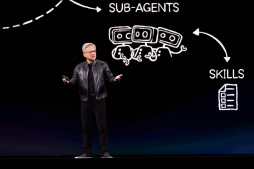
Large Language Models are increasingly being paired with bespoke tools and technical harnesses that can help manage, guide and direct their cybersecurity work. (Image Source: Getty)
US President Donald Trump (L) speaks, flanked by US Secretary of Treasury Scott Bessent, during a roundtable discussion on his “no tax on tips” policy at the AC Hotel Las Vegas Symphony Park in Las Vegas, Nevada, on April 16, 2026. (Photo by Jim WATSON / AFP via Getty Images)
A bomb disposal expert walks with his dog as the sun sets at the Trocadero near the Eiffel Tower before the opening of the Paris Peace Forum in Paris on October 29, 2025. (Photo by JOEL SAGET / AFP) (Photo by JOEL SAGET/AFP via Getty Images)
One of the project’s top goals is stitching together an international, quick response coalition of governments, businesses and civil experts for AI-related threats.
The government's new AI clearinghouse risks becoming a committee that discovers more problems than it solves — unless it's designed around patching, not just scanning.