The water sector just got it’s wake-up call. Again.
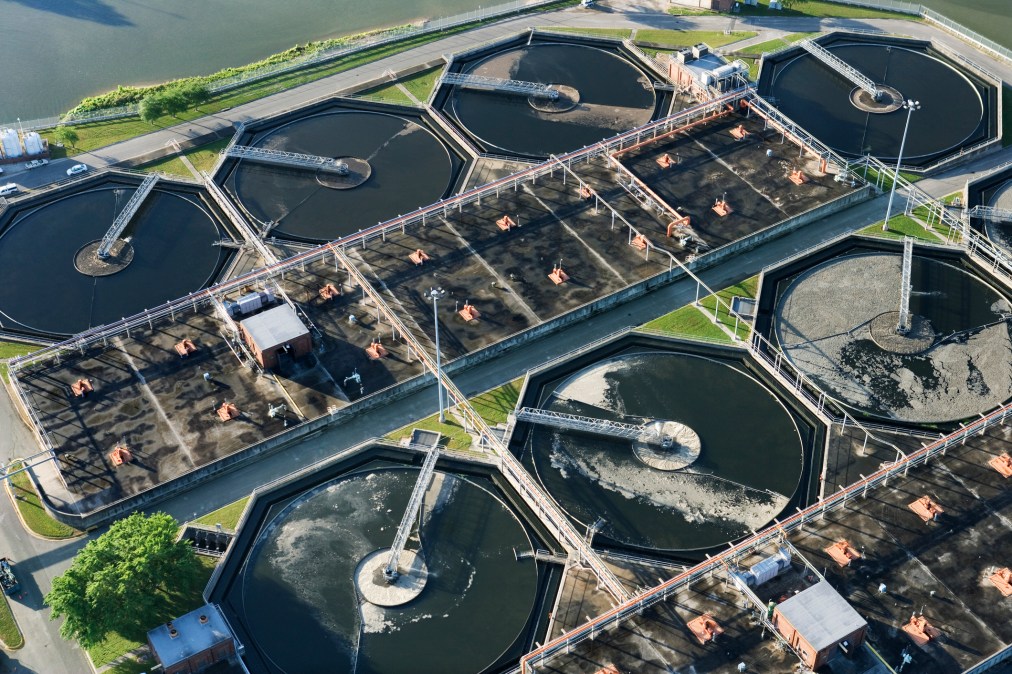
Last week, the FBI and EPA issued a joint alert that should concern anyone who drinks water in America–which is to say, everyone. Since July 27, water and wastewater utilities in at least seven states have reported cyberattacks against internet-facing programmable logic controllers (PLCs), the small industrial computers that run pumps, valves, and treatment equipment. Some of these attacks degraded operations. Utilities reported pressure loss and flooding, several systems reverted to manual control, and one Minnesota community declaring a local state of emergency.
Nothing about these attacks required sophisticated methods. The attackers didn’t use zero-day exploits or novel malware. They found controllers exposed to the public internet, many of them so old that they stopped receiving security patches years ago. They logged in, changed IP addresses and passwords, and locked operators out of their own equipment. In at least one case, they modified the ladder logic controlling industrial equipment. These were not Hollywood-style hacks. The controllers sat exposed and undefended.
If this feels familiar, it should. In late 2023, attackers compromised controllers at water utilities across several states, including the widely reported incident in Aliquippa, Pennsylvania. The federal government issued guidance then, too. One of the crucial differences between then and now is that attackers have grown in ambition. They’ve moved from defacing screens to disrupting operations across dozens of systems at once, exploiting the fact that third-party integrators often deploy the same vulnerable configuration across many small utilities.
The uncomfortable truth is that this was preventable. The reason it wasn’t stopped is more structural than technical. The United States has roughly 50,000 community water systems. Most are small, publicly funded, and run by operators whose primary job is keeping water safe and flowing. Cybersecurity ranks far below that, if it ranks at all. The devices in question are often a decade or more old and replacing them takes capital these utilities don’t have. Rules governing water cybersecurity remain mostly voluntary. Attackers understand these economics perfectly. We should too, yet these attacks keep happening.
But inaction is a choice. The defenses that work here cost little and require no exotic technology. The FBI and EPA guidance is sound, and every water and wastewater organization should act on it this week, not later. Here’s how:
- Get controllers off the public internet. No PLC should be reachable from the outside world. Remote access should go through a secure gateway that mediates, monitors, and logs every connection. That includes cellular modems, which are the overlooked entry point in nearly every audit.
- Fix passwords. Default and shared credentials are still the most common way in. Strong, unique passwords are the cheapest security control available.
- Restrict communication between devices. Firewall rules and access control lists should allow only expected communication between known control system devices. Block traffic from hosting providers and other sources that have no business touching a water plant.
- Lock the logic. Keep physical and software key switches in the run position except during authorized updates. This prevents unauthorized changes to configuration and firmware.
- Practice running manually. The utilities that survived these attacks best were the those that switched to manual operations quickly. That skill requires constant practice.
- Verify, don’t assume. Nearly every utility believes its PLCs aren’t internet-exposed, right up until an inventory proves otherwise. You can’t protect what you can’t see. Most operators are surprised by what a complete asset inventory reveals: forgotten modems, integrator-installed remote access, devices nobody knew were still online.
Every attack like this follows the same pattern. Attackers change configurations, reset passwords, and modify project files. Every one of those actions creates a signal on the network before operations degrade. In this most recent case, one victim only noticed ladder logic discrepancies across multiple sites. Catching intrusions shouldn’t depend on a sharp-eyed engineer having a good day. Continuous monitoring of OT environments exists to turn those signals into alerts within minutes instead of days. That difference is the difference between an incident report and a boil-water notice.
Water systems have the least margin for error and, too often, the fewest resources to defend themselves. The FBI and EPA have told us plainly what’s happening and what to do about it. The attackers are betting we won’t follow through. For the third time in three years, they’re testing that bet.
Let’s finally prove them wrong.