Global coalition dismantles Tycoon 2FA phishing kit
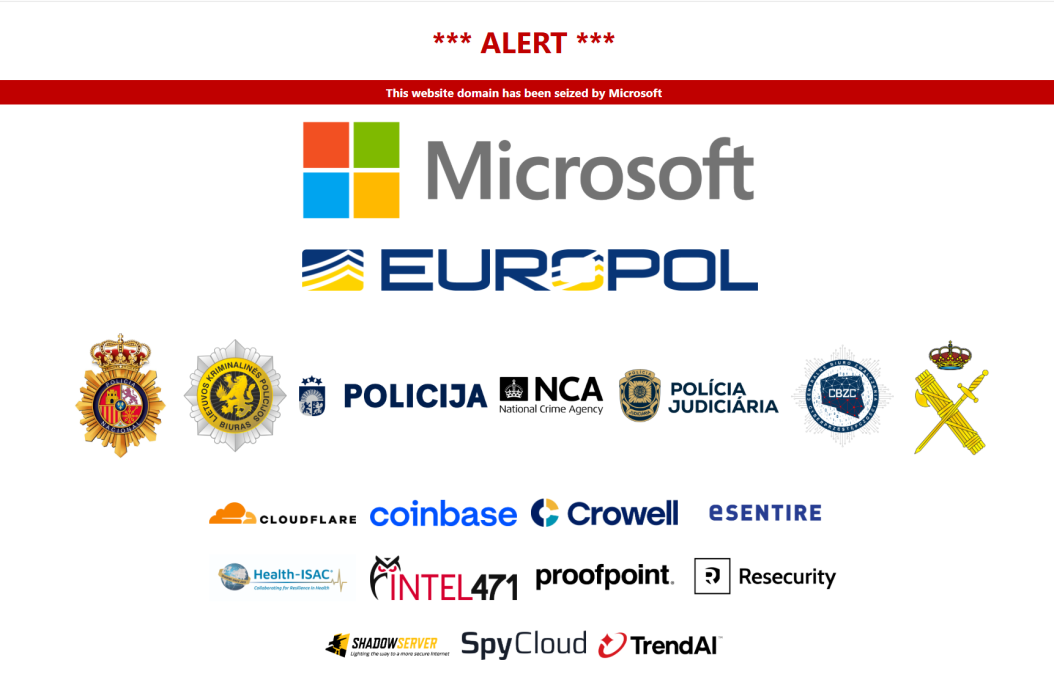
Tycoon 2FA, a major phishing kit and platform that allowed low-skilled cybercriminals to bypass multifactor authentication and conduct large-scale adversary-in-the-middle attacks, was dismantled Wednesday by a global coalition of security companies and law enforcement agencies.
Microsoft, which led the effort alongside Europol and authorities from six countries and 11 security firms or organizations, said it seized 330 domains that powered Tycoon 2FA’s core infrastructure, including control panels and fraudulent login pages.
The platform, which emerged in August 2023, was responsible for tens of millions of phishing messages that reached more than 500,000 organizations globally each month, according to Microsoft Threat Intelligence. Thousands of cybercriminals used Tycoon 2FA to break into email and online services, including Microsoft 365, Outlook, SharePoint, OneDrive and Google services.
“By mid‑2025, Tycoon 2FA accounted for approximately 62% of all phishing attempts Microsoft blocked, including more than 30 million emails in a single month. That placed Tycoon 2FA among the largest phishing operations globally,” Steven Masada, assistant general counsel at Microsoft’s Digital Crimes Unit, said in a blog post about the takedown.
“Despite extensive defenses, the service is linked to an estimated 96,000 distinct phishing victims worldwide since 2023, including more than 55,000 Microsoft customers,” Masada added.
The phishing kit, which was developed and advertised by a group Microsoft tracks as Storm-1747, was sold to cybercriminals on Telegram and Signal for $350 a month. The platform provided core components for phishing on a single dashboard that allowed cybercriminals to configure, track and refine their campaigns.
The platform also provided cybercriminals with pre-built templates, attachment files for common phishing lures, domain and hosting configuration and redirect logic, Microsoft said. The monthly volume of phishing messages attributed to Tycoon 2FA peaked at more than 30 million messages in November 2025.
Organizations in education and health care were hit hardest by phishing attacks enabled by Tycoon 2FA. More than 100 members of Health-ISAC, a co-plaintiff in the court case filed in the U.S. District Court for the Southern District of New York, were successfully phished, Masada said.
Two hospitals, six schools and three universities in New York confronted attempts or successful compromises via Tycoon 2FA, resulting in incidents that disrupted operations, diverted resources and delayed patient care, he added.
Microsoft and Health-ISAC filed a civil complaint against alleged creator Saad Fridi and four unnamed associates, demanding a $10 million injunction, for developing, running and selling Tycoon 2FA. The court order allowed Microsoft to dismantle and take ownership of Tycoon 2FA’s technical infrastructure.
Authorities from Latvia, Lithuania, Portugal, Poland, Spain and the United Kingdom assisted with the operation alongside Cloudflare, Coinbase, Crowell & Moring, eSentire, Intel 471, Proofpoint, Resecurity, Shadowserver, SpyCloud and Trend Micro.
Selena Larson, staff threat researcher at Proofpoint who provided a formal declaration in support of the court order, said Tycoon 2FA was responsible for the highest volume of adversary-in-the-middle phishing attacks observed by Proofpoint.
“Tycoon was the biggest MFA phishing threat in our data, and we anticipate seeing a significant decrease after this operation,” she told CyberScoop.
“Many customers will find their hacking tool is no longer working, and even if Tycoon 2FA is able to create new domains and infrastructure, the brand will be significantly harmed, with customers either purchasing less effective phishing kit, or potentially rethinking their life choices and getting out of the game,” Larson added.
Tycoon 2FA’s easy-to-use and robust capabilities contributed to its popularity, researchers said. The platform’s codebase was updated regularly and operators generated a high volume of subdomains for brief periods before abandoning them and moving on to new domains.
Researchers said the rapid turnover and shifts to temporary infrastructure complicated efforts to detect and block new campaigns.
The Tycoon 2FA takedown follows a recent wave of cybercrime crackdowns, including actions against Racoon0365 and the Lumma Stealer infostealer operation, which infected about 10 million systems.