FCC proposes public scorecard to rate telecoms on anti-robocall efforts
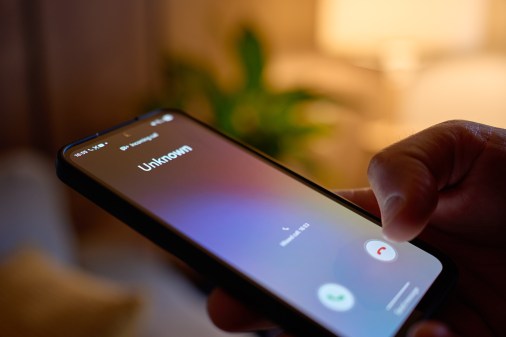
The Federal Communications Commission wants to set up a new scorecard system that would allow rate telecoms’ ability to prevent or deter unwanted robocalls.
According to the agency, the scorecard “will empower consumers and encourage providers to continue to combat illegal robocalls by providing the public with an assessment of the effectiveness of voice service providers’ efforts to protect consumers from illegal robocalls,” the FCC said in a Wednesday public notice.
The notice does not prescribe or define technical solutions or systems for the scorecard, instead laying out broad goals for the project. Those include creating a public guide for evaluating how well providers prevent robocalls, and how transparent they are with their metrics.
The agency expressed a desire for more than “a simple administrative checklist,” such as whether the provider offered the right tools or filed the right paperwork, but rather “a composite set of metrics that reflects both operational practices and measurable outcomes, including how often legitimate calls are blocked.”
The scorecard would apply only to domestic voice service providers with retail customers, including wireless, wireline, VoIP providers and hybrid networks, but the agency is seeking comment from the public on whether to focus on larger providers, exclude small or regional networks and other questions around who would be evaluated.
The FCC says it intends to publish the scorecard results, but characterized it as a tool to help consumers understand how effectively voice service providers address robocalls on their networks and “not a rulemaking that will result in new rules or requirements for voice service providers.”
However, the notice does flag a number of federal data systems built around enforcement that the agency said it believes would be “best” for evaluating companies, including Robocall Mitigation Database filings, FCC Consumer Complaints Center data, and FCC enforcement action data, along with third-party or industry sources like Industry Traceback Group data and Federal Trade Commission complaint data.
Peter Hyun, former acting head of enforcement at the FCC, endorsed the general concept behind the idea, likening it to the Department of Transportation’s creation of an airline customer service dashboard in 2024.
That transparency “helped foster adoption of improved practices and a strong focus on better outcomes for consumers,” Hyun told CyberScoop in a text message. “With recent legal and policy fights over FCC enforcement, this is a creative effort to use other tools to combat what is an ever-tormenting issue for consumers: illegal calls.”
FCC officials have emphasized that the most frequent complaints they hear from consumers are around robocalling, and they are seeking to address that demand in a variety of ways.
On the same day the scorecard was unveiled, the FCC announced it had booted 14 telecommunications providers from the Robocall Mitigation Database. The federal system is used by companies to document their compliance with anti-robocalling standards — like STIR/SHAKEN protocols — that FCC officials say are vital to helping them validate legitimate network traffic moving through the U.S. and identify bad actors.
Removing a company from the database effectively cuts it off from connecting to U.S. telecom networks. FCC regulations give other U.S. providers two days to block all traffic coming from violators.
“Today’s action pushes more than a dozen providers off of U.S. networks for failing to abide by our robocall rules,” said FCC Chair Brendan Carr. “The FCC continues to attack the problem of illegal robocalls at every point along the call path, and everyone in this ecosystem has an obligation to step up and do what they can to protect consumers against fraud and scammers.”
According to the FCC, the 14 companies failed to respond to take necessary steps when informed that their database certifications were out of compliance. The list of affected companies includes Apps Communications, CFX Business Solutions, Conference America, Convergence Technology Solutions, CSB Technologies, Digital Division, Dixie Net Communications, HighComm, Inatech Solutions, makrodepot, Opex Communications, ReachME, SECURE, and SkyCom Healthcare.