New federal programs take years to launch and fund. State and local governments need cybersecurity software now. The One Big Beautiful Bill already enables tax incentives. Congress…
An AI compact built around capability, control, and continuity can ensure the country stays safe and secure while also leading the world in the technology.
A US Army Stryker seen moving towards the ARC Defender vessel at the Baltic Container Terminal in Gdynia.
The US Army transports military equipment from Poland to the United States after being deployed for 9 months. It is the long-term rotation of the equipment. Another unit arrives to train together with the troops of Great Britain, Croatia and Romania as part of joint military maneuvers in Poland and in some parts of Europe. (Photo by Mateusz Slodkowski/SOPA Images/LightRocket via Getty Images)
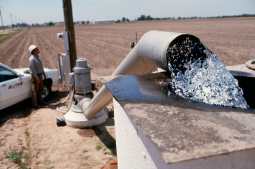
July’s intrusions reached water controllers that sat on a cellular link no city network scan would find. Naming an owner and paying for the fix are decisions…
AI is getting better at much of what security teams have long spent time on: analyzing information, identifying patterns, and providing technically sound recommendations quickly. As those…
Mandating ‘kill switches’ for AI agents would threaten the security of America’s critical infrastructure and undercut U.S. AI leadership. Congress must reject the AI Kill Switch Act.