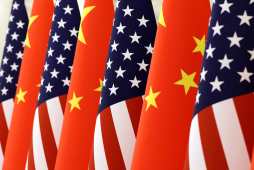
BEIJING, CHINA – MAY 14: The U.S. and Chinese national flags are seen during a state banquet hosted by Chinese President Xi Jinping at the Great Hall of the People on May 14, 2026 in Beijing, China. (Getty Images)
Cybersecurity firm Proofpoint said TA419 impersonated officials and AI industry figures in an effort to gain access to cloud accounts held by U.S. think tank, university and…
New federal programs take years to launch and fund. State and local governments need cybersecurity software now. The One Big Beautiful Bill already enables tax incentives. Congress…
The secretary told House Financial Services Committee lawmakers that the “best way to guarantee safety” is for AI creators to be held “liable for what they build…
OpenAI, Anthropic, Google, Microsoft, and others say there’s a narrow “defenders’ window” to strengthen security before AI-powered attacks become more sophisticated.
The acting CISO said that AI is reshaping how the service measures and tracks cyber compliance, moving it from a box-checking exercise to something nimbler and more…
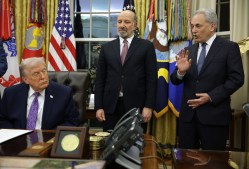
(L-R) U.S. President Donald Trump and Commerce Secretary Howard Lutnick look on as White House artificial intelligence (AI) and crypto czar David Sacks speaks in the Oval Office of the White House on December 11, 2025 in Washington, DC. Trump signed an executive order that curbs states’ ability to regulate AI. (Photo by Alex Wong/Getty Images)
The department is looking to create a “menu of priority AI export packages that the U.S. Government will promote to allies and partners around the world.”
As traditional fraud markers become obsolete, we must treat digital identity as critical infrastructure and adopt a layered, real-time defense to neutralize sophisticated crime rings.