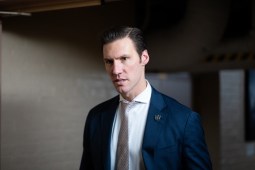
UNITED STATES – DECEMBER 10: Rep. Pat Harrigan, R-N.C., arrives for the House Republican Conference meeting in the U.S. Capitol on Wednesday, December 10, 2025. (Bill Clark/CQ-Roll Call, Inc via Getty Images)
One of the bill’s sponsors told CyberScoop it’s “incredibly expensive” for U.S. AI companies to stay ahead and distillation attacks incentivize stealing over innovation.
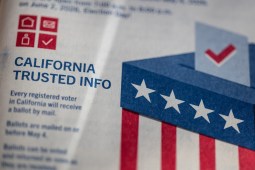
LOS ANGELES, CALIFORNIA- MAY 5: In this photo illustration, an official voter information guide mailed to a Southern California resident, ahead of a state primary election, photographed May 5, 2026 in Los Angeles, California. (Photo Illustration by Jay L Clendenin/Getty Images)
The arrests were paired with comments from DOJ and DHS officials, threatening to investigate, arrest or prosecute tens of thousands of California voters if they vote in…
The DeepSeek logo is seen on a display at a shopping mall in Hangzhou, in China’s eastern Zhejiang province on April 23, 2026. Chinese startup DeepSeek released a new artificial intelligence model with “drastically reduced” costs on April 24, more than a year after it stunned the world with a low-cost reasoning model that matched the capabilities of US rivals. (Photo by CN-STR / AFP via Getty Images) / China OUT
The order cites national security concerns, including sending data to servers in China, the potential for malware and the overall risk to federal IT systems.
WASHINGTON, DC – AUGUST 8: A Department of Homeland Security logo is seen at their headquarters in the Ronald Reagan Building and International Trade Center on August 8, 2026 in Washington, DC. (Photo by Kevin Carter/Getty Images)
While voluntary, the document marks the federal government’s most detailed cybersecurity guidance for securing sandbox environments during AI model tests.
New research from VisionHeight highlights how AI systems can often serve as more useful marks for influence actors than humans. To wit: someone is setting up networks of hyperlocal websites across at least 14 different states, filled with content meant to influence U.S. races. (Image via Getty)
Someone is seeding the internet with hyperlocal content about political races. Researchers say it’s designed to train AI chatbots to favor candidates across a broad range of…
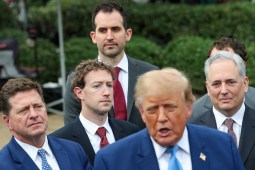
WASHINGTON, DC – SEPTEMBER 29: (L-R) U.S. Director of National Intelligence Jay Clayton, CEO of Meta Platforms Mark Zuckerberg, Co-Founder at Anthropic Tom Brown, U.S. President Donald Trump and David O. Sacks hold a press briefing with AI executives following a meeting on artificial intelligence, outside the West Wing of the White House on September 29, 2026 in Washington, DC. The meeting comes as some have called for a slowdown in AI development amid rising safety concerns. (Photo by Kevin Dietsch/Getty Images)
The letter argues federal agencies should more rigorously test AI models for security threats and sandbox evasion, set new safety standards and lean into defensive AI.
A federal lawsuit claims that Dmitry Belkin and his companies routinely failed to deliver on services to protect customers, generated fake evidence and denied refunds to victims.
The regulations on “controlled unclassified information” include security rules and requirements for reporting when they’re breached, including by cyberattacks.