Federal cyber leaders explain how agencies can combine AI with unified data, faster threat containment and workforce development to modernize security operations.
O’Smach Casino, a compound at the Chong Chom O’Smach border crossing that authorities say was used for scam operations on March 12, 2026 in Oddar Meanchey, Cambodia. (Photo by Getty Images/Getty Images)
U.S. Sen. Kirsten Gillibrand, D-N.Y., attends a subcommittee hearing with the Senate Committee on Appropriations in the Dirksen Senate Office Building on April 22, 2026. (Photo by Anna Moneymaker/Getty Images)
U.S. Secretary of State Marco Rubio attends the 33rd ASEAN Regional Forum (ARF), part of the ASEAN Foreign Ministers’ Meeting, at the Philippine International Convention Center on July 23, 2026 in Pasay, Metro Manila, Philippines. (Photo by Ezra Acayan/Getty Images)
A Stryker LIFEPAK 15
Heart Monitor/defibrillator is displayed during the Emergency Services show at NEC Exhibition Centre on Sept. 8, 2021 in Birmingham, England. (Photo by John Keeble/Getty Images)
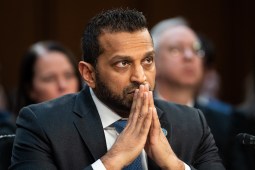
FBI Director Kash Patel testifies during the Senate Select Intelligence Committee hearing on “Worldwide Threats” in the Hart Senate Office Building on Wednesday, March 18, 2026. (Bill Clark/CQ-Roll Call, Inc via Getty Images)
Then-Millenium challenge corporation CEO Sean Cairncross speaks during a ceremony on Aug. 5, 2019 at the presidential palace in Abidjan. (Photo by ISSOUF SANOGO / AFP) (Photo credit should read ISSOUF SANOGO/AFP via Getty Images)
The national cyber director is pitching an approach that blends cyber operations with diplomacy, law enforcement and pressure on CEOs to shore up their organizations.
Gharun Lacy, Deputy Assistant Secretary for the Cyber and Technology Security Directorate at the Department of State, issued a challenge for cybersecurity defenders at CyberTalks, on Thursday, Feb. 20, 2026. (James Kim / EPNAC)