As frontier models and their sandbox escaping exploits dominate front-page news, researchers are increasingly worried about cheaper, more efficient AI models.
Research finds your AI generated security patch is more likely to fail than fully fix a vulnerability. It might even introduce brand new flaws to exploit along…
AI chatbots are avoiding some of the obvious errors that plagued earlier models, but they still fall short giving voters the full picture compared to state and…
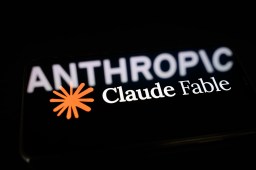
Anthropic announced the release of two new Mythos-class artificial intelligence models designed for cybersecurity and biomedical research, targeting both consumers and businesses. (Photo by Samuel Boivin/NurPhoto via Getty Images)
Dozens of practitioners said the decision to place export controls on the foreign use of Fable are misguided, and recent jailbreak reports don’t show the model providing…
New research from DTEX details how the increasing integration of AI agents into businesses is making it easier than ever for insiders – malicious or otherwise – to put sensitive data at risk.
(Image Source: Getty)
New research details how the increasing integration of AI agents into businesses is making it easier than ever for insiders - malicious or otherwise - to put…
The actively exploited defect could affect every mainstream Linux distribution built since 2017, but some researchers found Theori’s AI-generated disclosure unhelpful and lacking.
CANADA – 2026/04/08: In this photo illustration, the Google Antigravity logo is seen displayed on a smartphone screen. (Photo Illustration by Thomas Fuller/SOPA Images/LightRocket via Getty Images)
Google’s highest security setting for its agents runs command operations through a sandbox and throttles network access, but is still vulnerable to prompt injection.
GreyNoise researchers spotted a consistent trend in forthcoming vulnerabilities affecting security tools, providing defenders an early-warning system for likely imminent attacks.
Attackers have turned AI into a “force multiplier” for the country’s expansive scheme to get and keep operatives hired at global companies, researchers said.