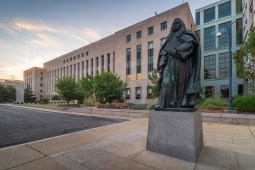
A bronze statue of English legal scholar Sir William Blackstone stands in front of the E. Barrett Pettyman United States Courthouse on July 7, 2024, in Washington. The courthouse houses the U.S. District Court for the District of Columbia, the U.S. Court of Appeals for the District of Columbia, and the U.S. Foreign Intelligence Surveillance Court. (Photo by J. David Ake/Getty Images)
Section 702 of the Foreign Intelligence Surveillance Act has lapsed, but another decision on its future nears, and the classified opinion could be decisive.
In this photo illustration, the United States Cybersecurity and Infrastructure Security Agency (CISA) logo is seen displayed on a smartphone screen. (Photo Illustration by Thomas Fuller/SOPA Images/LightRocket via Getty Images)
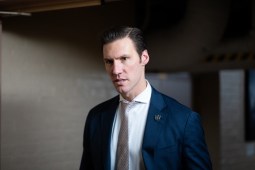
UNITED STATES – DECEMBER 10: Rep. Pat Harrigan, R-N.C., arrives for the House Republican Conference meeting in the U.S. Capitol on Wednesday, December 10, 2025. (Bill Clark/CQ-Roll Call, Inc via Getty Images)
One of the bill’s sponsors told CyberScoop it’s “incredibly expensive” for U.S. AI companies to stay ahead and distillation attacks incentivize stealing over innovation.
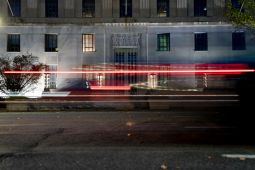
Light trails from a passing vehicle are seen in front of the Department of Justice building in Washington on November 21, 2021. (Stefani Reynolds for The Washington Post via Getty Images)
Robert Wayne Boling Jr. was the mastermind of an identity theft conspiracy that victimized thousands of military members and veterans. He faces up to 40 years in…
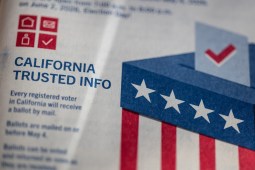
LOS ANGELES, CALIFORNIA- MAY 5: In this photo illustration, an official voter information guide mailed to a Southern California resident, ahead of a state primary election, photographed May 5, 2026 in Los Angeles, California. (Photo Illustration by Jay L Clendenin/Getty Images)
The arrests were paired with comments from DOJ and DHS officials, threatening to investigate, arrest or prosecute tens of thousands of California voters if they vote in…
The DeepSeek logo is seen on a display at a shopping mall in Hangzhou, in China’s eastern Zhejiang province on April 23, 2026. Chinese startup DeepSeek released a new artificial intelligence model with “drastically reduced” costs on April 24, more than a year after it stunned the world with a low-cost reasoning model that matched the capabilities of US rivals. (Photo by CN-STR / AFP via Getty Images) / China OUT
The order cites national security concerns, including sending data to servers in China, the potential for malware and the overall risk to federal IT systems.
WASHINGTON, DC – AUGUST 8: A Department of Homeland Security logo is seen at their headquarters in the Ronald Reagan Building and International Trade Center on August 8, 2026 in Washington, DC. (Photo by Kevin Carter/Getty Images)
While voluntary, the document marks the federal government’s most detailed cybersecurity guidance for securing sandbox environments during AI model tests.