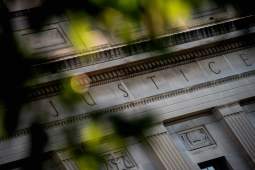
The Department of Justice building is seen in Washington, DC, on August 9, 2022. (Photo by Stefani Reynolds / AFP) (Photo by STEFANI REYNOLDS/AFP via Getty Images)
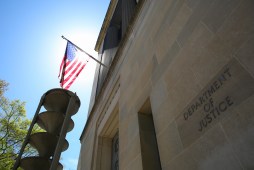
Traffic streaks past the Department of Justice (DOJ) headquarters building late in the evening on May 18, 2024 in Washington, DC. (Photo by J. David Ake/Getty Images)
Zheng Zhao and his co-conspirators allegedly deceived 174 U.S. residents into sending funds to a globally coordinated fake investment operation with ties to Cambodia.
UNITED STATES – DECEMBER 10: Rep. Pat Harrigan, R-N.C., arrives for the House Republican Conference meeting in the U.S. Capitol on Wednesday, December 10, 2025. (Bill Clark/CQ-Roll Call, Inc via Getty Images)
One of the bill’s sponsors told CyberScoop it’s “incredibly expensive” for U.S. AI companies to stay ahead and distillation attacks incentivize stealing over innovation.
Storm-0940 used the agentic AI penetration testing framework to automate attacks and “reach more than 2,250 tenants at 2,900 sign-in attempts per minute,” Microsoft researchers said.
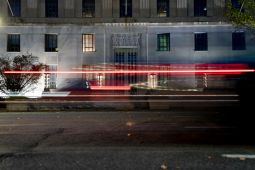
Light trails from a passing vehicle are seen in front of the Department of Justice building in Washington on November 21, 2021. (Stefani Reynolds for The Washington Post via Getty Images)
Robert Wayne Boling Jr. was the mastermind of an identity theft conspiracy that victimized thousands of military members and veterans. He faces up to 40 years in…
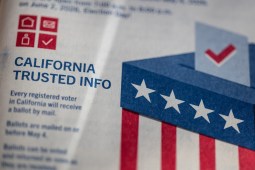
LOS ANGELES, CALIFORNIA- MAY 5: In this photo illustration, an official voter information guide mailed to a Southern California resident, ahead of a state primary election, photographed May 5, 2026 in Los Angeles, California. (Photo Illustration by Jay L Clendenin/Getty Images)
The arrests were paired with comments from DOJ and DHS officials, threatening to investigate, arrest or prosecute tens of thousands of California voters if they vote in…