
DARPA wants to create ‘self-healing’ firmware that can respond and recover from cyberattacks
The agency’s Red-C program seeks to build new defenses into bus-based computer systems.
The agency’s Red-C program seeks to build new defenses into bus-based computer systems.

The post-Colonial Pipeline proposal requires the agency’s charges to follow one cyber mandate to rule them all.

Federal agencies can spare themselves interoperability heartburn tomorrow by testing post-quantum encryption algorithms in live conditions today, official says.

If elected again, the former president might draw both on returning officials and yet-untapped pockets of talent.

The suit relies on a Civil War-era law that DOJ has increasingly turned to for cyber cases.

The multimillion dollar challenge is trying to harness artificial intelligence to deliver major gains in cybersecurity.

The Democrat signed a cyber executive order for Minnesota, a data privacy law and more.

The former defense secretary said U.S. Cyber Command needs emergency authority to be able to operate inside the United States.

National security officials have been sounding the alarm over a China-linked hacking group that’s been targeting critical infrastructure.
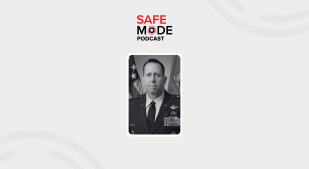
Jack Shanahan, former Lieutenant General in the US Air Force
