- Safe Mode
Rethinking how federal cyber hiring actually works
The federal government can’t reliably say how many cybersecurity workers it has or what they cost — and that uncertainty sits at the heart of a much bigger question: is federal cyber training working, and can it keep pace with a field that’s changing by the month?
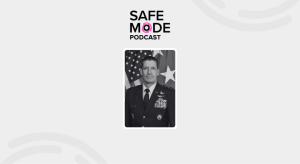
On this episode of Safe Mode, host Greg Otto talks with Christopher Bloor, Defense Director at the SANS Institute, about the state of the federal cyber workforce. The conversation moves through the real gap agencies face between filling job openings and actually assessing the skills their people already have, what 1,100 National Guard members revealed about morale and readiness during the CyberGuard critical infrastructure exercise, and why certifications and “qualifications” get treated as interchangeable when they shouldn’t be.
They also dig into some of the harder tensions in the space: whether federal training amounts to an unintentional subsidy for private-sector salaries, since the government will never be able to out-pay industry; how much of the workforce shortage is actually a skills problem versus a security-clearance bottleneck; and how AI has already flipped the day-to-day workflow for defenders, from checking AI-assisted code a year ago to now checking code AI has written itself.
In this week’s reporter chat, Greg talks with Tim Starks about the future of CORCA, a bill designated to fight organized retail crime that privacy experts say would create new mass surveillance capabilities for DHS.
The messy middle of AI-powered bug disclosure