Officials worry Salt Typhoon apathy is killing momentum for tougher telecom security rules
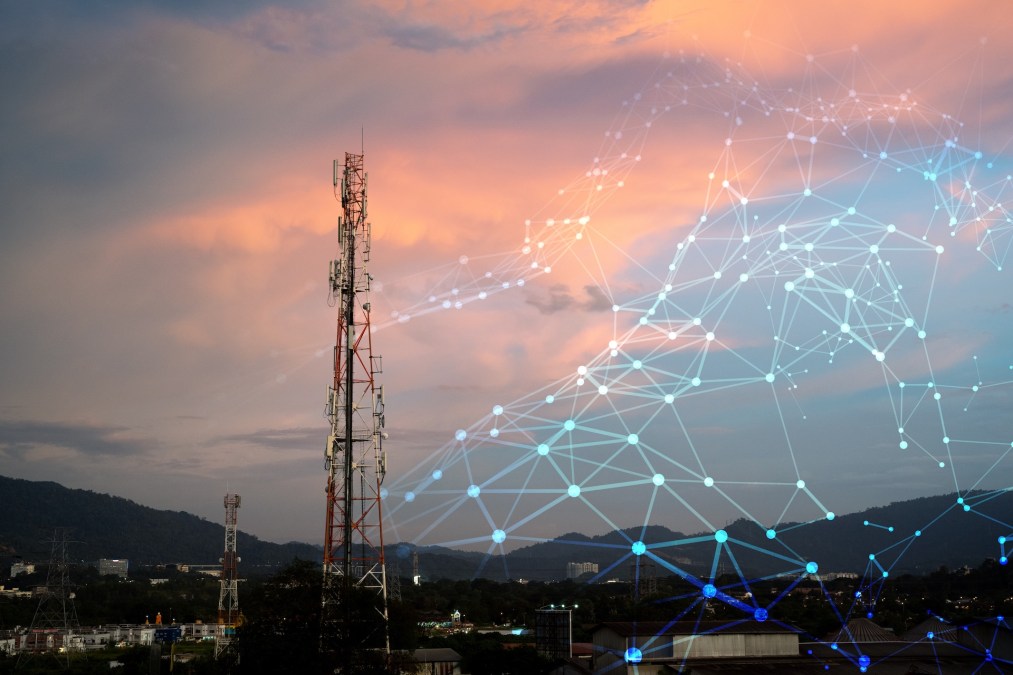
Two years ago, it was revealed that Chinese hackers had compromised at least ten U.S. telecoms, giving them broad access to phone data affecting nearly all Americans. Since then, public officials charged with responding to the campaign and bolstering the nation’s cyber defenses have reported a common problem.
Many of their constituents struggle to understand why the hacks – carried out by a group called Salt Typhoon – should rank among their top concerns, or how it impacts their day to day lives.
Some state and federal officials worry that this lack of interest is depriving policymakers the public pressure needed to build momentum for stronger action to improve the nation’s telecommunications cybersecurity.
Mike Geraghty, the CISO and director of the New Jersey Cybersecurity and Communications Cell, said New Jersey is the nation’s most densely populated state, with a high concentration of critical infrastructure and a major telecommunications footprint. For that reason, a campaign like Salt Typhoon should, in theory, be of strong interest to Garden State residents.
“However, if you talk to a person on the street in New Jersey, they’’ll say who cares that the Chinese are looking at – you know – what numbers I call?” he said Wednesday at the Billington State and Local Cybersecurity Summit. “It has a big role to play in my job, but trying to get people to understand what that means for New Jersey is really difficult.”
Congress hasn’t passed comprehensive privacy legislation in decades. Meanwhile, cyberattacks that expose sensitive data are widespread, and U.S. companies routinely collect and sell customers’ personal information. Some officials speculate that, taken together, these trends have left Americans numb to data theft and data-for-profit–so additional breaches feel like just another drop in the bucket.
Mischa Beckett, deputy chief information security officer and director of cyber threat intelligence at GDIT, said Salt Typhoon’s focus on telecom data can feel like an abstract threat to many Americans. By contrast, other Chinese hacking campaigns like Volt Typhoon suggest potential damage to water plants and electric grids that are easier to grasp.
“It’s maybe a little bit easier to write off a loss of data..and move on, as unfortunate but no big deal,” said Beckett. “I think that case is much harder to make when we’re talking about pre-positioning and critical infrastructure, things that touch all of our lives every day.”
Last year, a former intelligence official at the Office of the Director of National Intelligence told CyberScoop that a lack of outrage from the public following the Salt Typhoon attacks was dampening momentum for broader regulation or reforms to telecom cybersecurity.
“We can’t accept this level of espionage on our networks,” said Laura Galante who led the Cyber Threat Intelligence Integration Center under the Biden administration. “If you had 50 Chinese [Ministry of State Security] spies or contractors sitting inside a major [telecom company’s] building, they would be walked out and it would be a full-scale effort. That’s in broad strokes what has happened, but the access was digital.”