Sen. Mark Kelly: Investing in safe, secure AI is key to U.S. dominance
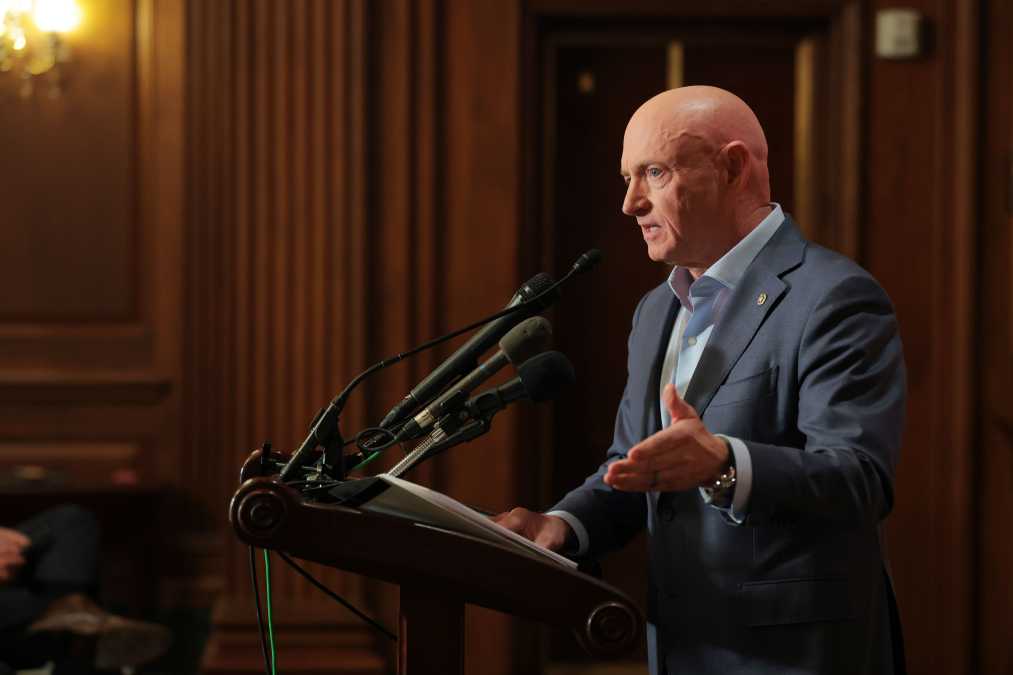
Sen. Mark Kelly, D-Ariz., called for robust safeguards in U.S.-developed AI systems to prevent abuse and misuse, arguing that both the technology and its development standards should reflect “American” values.
In a speech Thursday at the Center for American Progress, a left-leaning think tank, Kelly called for massive investment in data centers, water and electricity to support the county’s AI industry. However, he also emphasized that U.S. policy needs “clear enforceable standards to make sure AI respects civil rights, protects privacy and [we] don’t leave people behind.”
“That includes strong transparency requirements, accountability mechanisms and international coordination, so that our values — not those of some authoritarian regime out there — shape the future of this technology,” said Kelly.
In September, Kelly released his own strategy for American AI dominance, with ideas like a federal trust fund (paid for with AI industry profits) that would go into training Americans for the AI economy.
Kelly also positioned strong technical guardrails as a key pillar of his strategy. He argued these safeguards are important not only to ensure the technology is safe for businesses and individuals to use and isn’t leveraged in widespread discrimination or scamming, but also because they can serve as a key differentiator between the U.S. and other competitors like China and Russia.
Kelly’s plan calls for U.S. AI models to be “rigorously tested” and evaluated for potential misuses, including evaluations from third-party entities and government agencies. It also supports “consistent standards and regulations,” ongoing monitoring for harms after a model is released and a broader public-private partnership between AI companies and society around safeguards.
“We have to strengthen our infrastructure and we have to support smart, responsible laws that keep this technology safe and true to our values, because American leadership doesn’t happen by accident,” said Kelly.
Those sentiments come as the Trump administration has largely abandoned the Biden administration’s efforts to regulate AI companies and push them to build stronger technical guardrails—safeguards designed to prevent models from deceiving users, providing bomb-making instructions , or triggering mental health crises.
In Republican-controlled Congress, there has been little appetite for imposing new rules or regulations on an AI industry, which has received massive capital from the American financial system. GOP leaders and business lobbying groups argue that such restrictions would only make it harder for American companies to compete on the world stage.
When asked how the U.S. would get other countries to side with American standards, given the reality that companies must operate in different countries with different laws and regulations, Kelly said moving fast and first when it comes to setting global standards is key.
“If we create the rules, maybe we can get our allies to work within the system that we have and we’ve created,” said Kelly. “I think we’ll have leverage there, I hope we do.”
While Kelly is calling for more U.S. investment in AI, he also warned that policymakers need to prepare for an entirely different worst-case scenario, where the technology never lives up to the hype, and the massive, debt-fueled investments being made by U.S. companies cannot be repaid through long-term profits.
Kelly said the U.S. “needs AI to be successful, not only for the promises that we could get out of it and technology…we also need it to be successful because of the amount of money that’s already invested in it.”
Experts including independent journalist Ed Zitron, the Wall Street Journal and the New York Times have been tracking worrying signs over the past year: large portions of the U.S. economy are being propped up by multi-billion dollar investments in AI infrastructure—including large language models, data centers, computer chips, electricity, and other resources. These investments are betting on a major boom in consumer demand for AI. However, if that demand never materializes, experts warn of potentially significant downstream economic impacts.
Kelly notably did not rule out the possibility of widespread economic damage should America’s AI bet not pay off. He said the potential economic pain for American consumers could be bigger than the Great Recession in 2008.
“And if there’s a big bubble and that bubble bursts in a really, really bad way, it’s going to be harmful to the broader economy,” he said. “It might make the downturn in 2008 look like a party.”